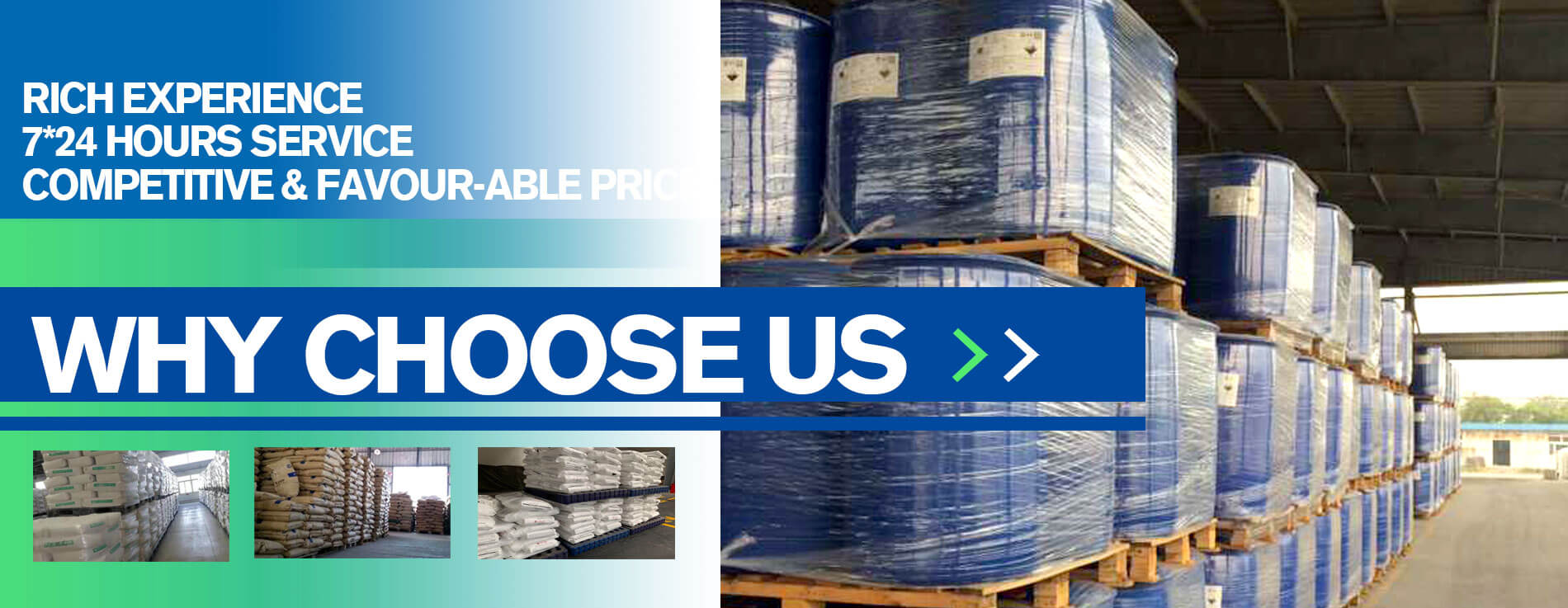
As a leading 4-Chloro-3-Trifluoromethyl-Benzenesulfonyl Chloride supplier, we deliver high-quality products across diverse grades to meet evolving needs, empowering global customers with safe, efficient, and compliant chemical solutions.
What are the main uses of 4-Chloro-3-Trifluoromethyl-Benzenesulfonyl Chloride?
4-Chloro-3-trifluoromethylbenzenesulfonyl chloride is an extremely important chemical reagent in the field of organic synthesis. It has a wide range of main uses and is often used as a key intermediate in the synthesis of drug molecules with specific biological activities in the field of medicinal chemistry. Geynbenzenesulfonyl chloride groups have active chemical properties and can be combined with other nucleophiles containing nitrogen, oxygen, sulfur, etc. by various organic reactions, such as nucleophilic substitution reactions, to build complex drug molecular structures, which in turn endow drugs with unique pharmacological activities.
In the field of materials science, 4-chloro-3-trifluoromethylbenzenesulfonyl chloride also has extraordinary performance. First, it can be used to prepare special polymers. By introducing it into the main chain or side chain of the polymer, the physical and chemical properties of the polymer can be significantly changed by the properties of benzene ring, chlorine atom and trifluoromethyl group, such as improving the thermal stability, chemical stability and mechanical properties of the polymer. Second, it also plays an important role in the preparation of high-performance coating materials. By chemically reacting it into the molecular structure of the coating, it can endow the coating with excellent corrosion resistance, wear resistance and weather resistance, making it widely used in aerospace, automobile manufacturing and other fields that require strict material properties.
Furthermore, in the field of pesticide chemistry, 4-chloro-3-trifluoromethylbenzenesulfonyl chloride can be used as an important raw material for the synthesis of new pesticides. Using its structural characteristics, the synthesized pesticides can have the characteristics of high efficiency, low toxicity, and environmental friendliness, which helps to improve the yield and quality of crops, while reducing the negative impact on the environment.
In conclusion, 4-chloro-3-trifluoromethylbenzenesulfonyl chloride, with its unique chemical structure and active reactivity, plays an indispensable role in many fields such as drugs, materials, and pesticides, and has made great contributions to promoting technological development and innovation in related fields.
What are the physical properties of 4-Chloro-3-Trifluoromethyl-Benzenesulfonyl Chloride?
4-Chloro-3-trifluoromethylbenzenesulfonyl chloride, this is an organic compound with unique physical properties. Its properties are usually colorless to light yellow liquid, stable at room temperature and pressure. Looking at its color, it is often colorless to light yellow. This color characteristic may be caused by the interaction of atoms and functional groups in the molecular structure.
When it comes to odor, 4-chloro-3-trifluoromethylbenzenesulfonyl chloride emits a pungent smell. This smell is strong and irritating, and has a great impact on the olfactory sense. The reason is that the combined action of benzene ring, chlorine atom, trifluoromethyl group and sulfonyl chloride functional group makes the compound smell unique and strong. The boiling point of 4-chloro-3-trifluoromethylbenzenesulfonyl chloride is about a specific temperature range, and the specific value varies depending on the measurement conditions, roughly within a certain range. The boiling point is controlled by the intermolecular force. The polar functional groups and large substituents in the molecular structure cause the intermolecular force to increase, which affects the boiling point. The melting point of
is also within a certain range. This is related to the close arrangement of molecules and the interaction between molecules. The specific molecular structure gives it a specific melting point characteristic.
In terms of solubility, 4-chloro-3-trifluoromethylbenzenesulfonyl chloride is soluble in many organic solvents, such as common halogenated hydrocarbons, aromatic hydrocarbons, etc. This solubility is due to the similarity of its molecular structure and the principle of phase dissolution between organic solvent molecules. The polarity and spatial structure of the molecule jointly determine its solubility in different solvents. However, its solubility in water is not good, because the hydrophobic groups in the molecule account for a large proportion, so the interaction with water molecules is weak.
What is the chemical synthesis method of 4-Chloro-3-Trifluoromethyl-Benzenesulfonyl Chloride?
The chemical synthesis of 4-chloro-3-trifluoromethylbenzene sulfonyl chloride is an important issue in the field of organic synthesis. To prepare this compound, the following steps can be followed.
First, 4-chloro-3-trifluoromethylbenzene is used as the starting material. This raw material can be commercially available or synthesized by other specific organic reactions. Place this raw material in a suitable reaction vessel and add an appropriate amount of reaction reagent.
Usually, to introduce a sulfonyl chloride group, a mixture of fuming sulfuric acid and chlorosulfonic acid can be used. When this mixed reagent reacts with 4-chloro-3-trifluoromethylbenzene, fuming sulfuric acid and chlorosulfonic acid can play a synergistic role. Fuming sulfuric acid contains excess sulfur trioxide, which can enhance the electrophilicity of the reaction system and promote the hydrogen atom on the benzene ring to be more easily replaced. Chlorosulfonic acid can provide chlorine atoms to create conditions for the formation of sulfonyl chloride groups.
When reacting, the reaction temperature should be controlled. Generally speaking, the reaction system should be cooled to a low temperature, such as about 0 ° C, and the mixed reagent should be slowly added dropwise. This operation can make the reaction proceed smoothly and avoid the reaction being too violent. After the dropwise addition is completed, the temperature is gradually raised to room temperature, so that the reaction can continue. After a suitable period of time, After the
reaction is completed, a post-processing step is required. The reaction liquid is first poured into ice water to stop the reaction and precipitate the product. At this time, the solid product can be collected by filtration. After collection, the solid product is washed with an appropriate amount of organic solvent, such as ether, dichloromethane, etc., to remove impurities. Subsequently, the product is further purified by recrystallization. Choose a suitable solvent, such as a mixed solvent of ethanol and water, dissolve the crude product, heat the solvent until it is nearly boiling, and the product is fully dissolved. After that, slowly cool the solution to allow the product to crystallize. After re-filtering and drying, pure 4-chloro-3-trifluoromethylbenzenesulfonyl chloride can be obtained.
Although this synthetic method has certain feasibility and practicality, in actual operation, it is still necessary to pay attention to the precise control of reaction conditions and the standardized operation of each step in order to obtain the ideal yield and purity.
What are the precautions for 4-Chloro-3-Trifluoromethyl-Benzenesulfonyl Chloride in storage and transportation?
4-Chloro-3-trifluoromethylbenzenesulfonyl chloride, this is a chemical substance. When storing and transporting, many matters need to be paid attention to.
Let's talk about storage first. Because of its active nature, it is easy to react with other substances, so it needs to be placed in a cool, dry and well-ventilated place. Do not approach fires or heat sources to prevent danger. Because it is sensitive to humidity and prone to moisture deterioration, it is necessary to ensure that the storage environment is dry. Sealed containers can be used to avoid contact with air to prevent moisture absorption and hydrolysis. Furthermore, it should be stored separately from oxidants and alkalis, and must not be mixed. Contact with these substances may cause violent reactions and endanger safety.
As for transportation, it should not be taken lightly. Before transportation, the packaging must be tight, the containers used must meet relevant standards, and can withstand certain pressure and vibration to prevent leakage. During transportation, it is necessary to ensure that the vehicle runs smoothly and avoid severe bumps and vibrations. At the same time, transport personnel need to be familiar with its characteristics and emergency treatment methods, and can take effective measures quickly in the event of leakage and other situations. In addition, transport vehicles should be equipped with corresponding emergency rescue equipment and protective equipment, such as fire extinguishers, leakage emergency treatment tools, gas masks, etc., to deal with emergencies. Transportation routes should also be carefully planned to avoid densely populated areas and important places to reduce latent risks. In this way, the safety of storage and transportation can be guaranteed.
4-Chloro-3-Trifluoromethyl-Benzenesulfonyl impact of Chloride on the environment and human health
4-Chloro-3-trifluoromethylbenzenesulfonyl chloride is a common chemical in organic chemistry. Its impact on the environment and human health is of great concern.
At the environmental end, if this substance is released into nature, it may have many effects. First, it may have considerable chemical stability, and it is difficult to be rapidly decomposed in the environment, resulting in long-term retention. For example, if it flows into the soil, or changes the chemical properties of the soil, it will affect the normal activities of the soil microbial community, which in turn will have adverse effects on the root environment for plant growth. Second, after entering the water body, it may pose a threat to aquatic organisms. Because it contains chlorine and fluorine and other elements, it may interfere with the physiological metabolism of aquatic organisms, causing their growth, reproduction, and even death. For example, it may affect the respiratory function of fish gills, causing abnormal photosynthesis process of aquatic plants.
As for human health, exposure to this substance also has many potential hazards. If it is exposed to the skin, it is corrosive, or burns the skin, causing skin redness, pain, and even ulceration. If it is accidentally inhaled, its volatile gaseous substances can irritate the respiratory tract, causing symptoms such as cough, asthma, and breathing difficulties, and long-term exposure or causing chronic respiratory diseases. Furthermore, if taken by mistake, it can cause serious damage to the digestive system, corrode the oral, esophageal, and gastrointestinal mucosa, causing severe pain, vomiting, diarrhea, and even life-threatening.
In summary, 4-chloro-3-trifluoromethylbenzenesulfonyl chloride has a significant negative impact on the environment and human health. When using and handling this substance, it is necessary to exercise caution and follow strict safety regulations to reduce its harm to the environment and human body.