As a leading 2-Fluoro-5-(Trifluoromethyl)Benzenesulfonyl Chloride supplier, we deliver high-quality products across diverse grades to meet evolving needs, empowering global customers with safe, efficient, and compliant chemical solutions.
What are the main uses of 2-Fluoro-5- (Trifluoromethyl) Benzenesulfonyl Chloride?
2-Fluoro-5- (trifluoromethyl) benzenesulfonyl chloride has a wide range of uses. It is often used as a key reagent in the field of organic synthesis.
One of them can be used to construct compounds containing sulfonyl groups. Sulfonyl groups have unique properties and can significantly change the physical and chemical properties of compounds when introduced into organic molecules. Using this substance as a starting material, through nucleophilic substitution reaction, sulfonyl chloride groups can react with many nucleophilic reagents, such as alcohols and amines. Reacting with alcohols, sulfonate esters can be formed. Such compounds have important applications in the field of materials science, in the preparation of high-performance polymers, surfactants, etc. The structure of sulfonate esters can endow materials with special properties such as solubility and surface activity.
Second, sulfonamides can be prepared by reacting with amines. Sulfonamides have a very important position in medicinal chemistry, and many drug molecules contain this structural unit. Because of their diverse biological activities, such as antibacterial, anti-inflammatory, anti-tumor, etc. Sulfonamide derivatives synthesized on the basis of 2-fluoro-5- (trifluoromethyl) benzenesulfonyl chloride may be modified and optimized to develop new specific drugs.
Third, in the field of pesticides, fluorobenzenesulfonyl compounds derived from these compounds may have good insecticidal, bactericidal and herbicidal activities. The introduction of fluorine atoms can enhance the lipid solubility of compounds, make them easier to penetrate biofilms, improve biological activity and stability, and have important value in the creation of modern pesticides.
Fourth, in terms of material surface modification, 2-fluoro-5- (trifluoromethyl) benzenesulfonyl chloride can react with active groups on the surface of the material, and introduce fluorosulfonyl-containing functional groups to change the wettability, wear resistance and corrosion resistance of the material surface. For example, after surface modification of polymer materials, it can be made to have hydrophobic and oleophobic properties, broadening the application range of materials.
What are the physical properties of 2-Fluoro-5- (Trifluoromethyl) Benzenesulfonyl Chloride
2-Fluoro-5- (trifluoromethyl) benzenesulfonyl chloride, this material has special properties and is related to chemical industry. Its color is often colorless to slightly yellow liquid, clear in appearance, pungent smell, and unbearable to smell.
In terms of its melting point, it is about a specific low temperature range. Due to the fluorine atom and sulfonyl chloride group in the molecular structure, the intermolecular force is different, and the melting point is unusual. The boiling point is also fixed. When heated, it will turn into a gaseous state at this temperature. This property is important in the separation and purification process.
In terms of solubility, it can be soluble in several organic solvents, such as toluene of aromatics, dichloromethane of halogenated hydrocarbons, etc. Due to the similar miscibility principle, its molecular structure has a certain affinity with organic solvents. However, in water, due to its fluorine and sulfonyl chloride groups, the hydrolysis tendency is significant, it is difficult to dissolve, and it is easy to react in water to generate corresponding sulfonic acid and hydrogen chloride. This reaction is violent, or the acidity of the system rises sharply.
Its density is greater than that of water, and if it coexists with water, it will sink underwater. In addition, 2-fluoro-5- (trifluoromethyl) benzenesulfonyl chloride has high chemical activity, and the sulfonyl chloride group is active. It is easy to react with many nucleophiles, such as alcohols and amines. Through this reaction, a variety of sulfonamides and sulfonate esters can be prepared. They are widely used in the field of organic synthesis and are the key raw materials for building complex organic molecular structures.
What is the chemical synthesis method of 2-Fluoro-5- (Trifluoromethyl) Benzenesulfonyl Chloride
The chemical synthesis of 2-fluoro-5- (trifluoromethyl) benzenesulfonyl chloride is a very important organic synthesis topic. Its synthesis path often follows many principles and methods of organic chemistry.
To synthesize this compound, common starting materials can be selected from fluorine-containing and trifluoromethyl-containing benzene compounds. For example, 2-fluoro-5- (trifluoromethyl) benzene can be selected as the starting material, and the sulfonic acid group can be introduced into the benzene ring through a sulfonation reaction. In the sulfonation reaction, concentrated sulfuric acid or fuming sulfuric acid is often used as the sulfonation reagent. At a suitable temperature and reaction time, the hydrogen atom on the benzene ring is replaced by the sulfonic acid group to generate 2-fluoro-5- (trifluoromethyl) benzenesulfonic acid.
Then, the prepared 2-fluoro-5- (trifluoromethyl) benzenesulfonic acid is converted into the corresponding sulfonyl chloride. This step usually uses chlorinated reagents such as phosphorus pentachloride (PCl) or dichlorosulfoxide (SOCl ²). Taking dichlorosulfoxide as an example, when it reacts with benzenesulfonic acid, the hydroxyl group in the sulfonic acid group is replaced by a chlorine atom to form the target product 2-fluoro-5- (trifluoromethyl) benzenesulfonyl chloride, and by-product sulfur dioxide and hydrogen chloride gas. During the reaction process, attention should be paid to the control of reaction conditions, such as temperature, reactant ratio, etc., to ensure the efficient progress of the reaction and the purity of the product.
Or from other benzene derivatives containing specific substituents, through multi-step reactions, the structure of the target molecule can be gradually constructed. Fluorine atoms and trifluoromethyl are introduced first, and then the final product is obtained through sulfonation, chlorination In conclusion, the synthesis of 2-fluoro-5- (trifluoromethyl) benzenesulfonyl chloride requires fine planning of the reaction route and strict control of the reaction conditions in order to achieve the ideal synthesis effect.
What are the precautions for 2-Fluoro-5- (Trifluoromethyl) Benzenesulfonyl Chloride during storage and transportation?
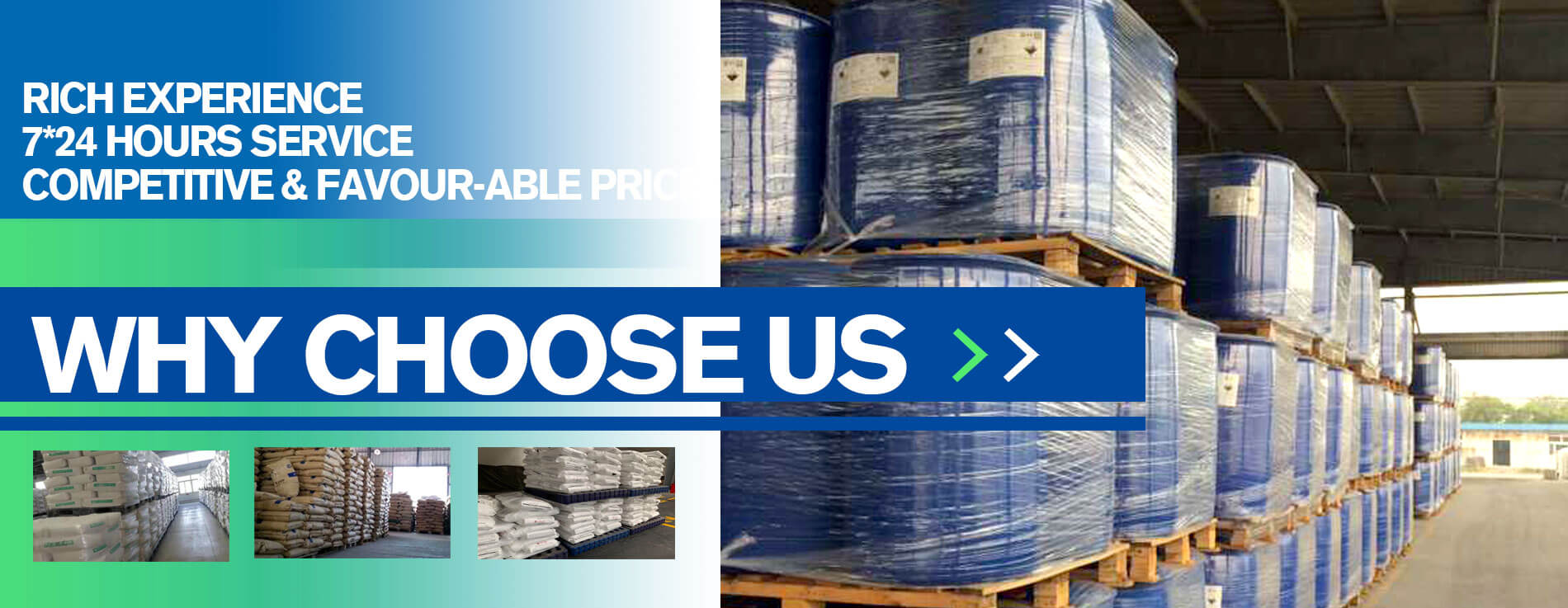
2-Fluoro-5- (trifluoromethyl) benzenesulfonyl chloride is a chemical substance. When storing and transporting, many key matters need to be paid attention to to to ensure safety and avoid accidents.
When storing, choose the first environment. It should be stored in a cool, dry and well-ventilated place. This substance is afraid of heat and moisture, and high temperature will increase its reactivity or even cause danger; humid environment may cause it to hydrolyze and deteriorate, so it must be kept away from heat sources and water sources. And it should be stored separately from oxidants and alkalis, because it is easy to chemically react with these substances, and co-storage can easily lead to accidents.
Furthermore, packaging is also extremely important. A well-sealed package must be used to prevent it from evaporating and escaping, polluting the environment and harming the human body. The packaging material must be resistant to corrosion of the substance, such as glass, specific plastics, etc., to ensure that the packaging is sturdy and intact to effectively avoid leakage.
During transportation, relevant regulations and standards must be strictly followed. Transportation vehicles must be equipped with necessary emergency treatment equipment and protective equipment for emergencies. The handling process should be light and light. Do not collide or fall, so as not to damage the packaging and cause it to leak.
In addition, whether it is storage or transportation, relevant personnel should be familiar with the characteristics of the substance and emergency treatment methods. In the event of a leak, personnel in the contaminated area should be quickly evacuated to a safe area and quarantined to strictly restrict access. Emergency responders are required to wear self-priming filter gas masks (full masks) and rubber acid and alkali-resistant clothing to cut off the source of leakage as much as possible. Small leaks can be mixed with sand, dry lime or soda ash, or they can be rinsed with a lot of water. After the washing water is diluted, it is placed in the wastewater system. Large leaks need to be built embankments or dug for containment, and transferred to a tanker or a special collector for recycling or transportation to a waste treatment site for disposal.
In short, for the storage and transportation of 2-fluoro-5- (trifluoromethyl) benzenesulfonyl chloride, every link is related to safety and must be treated strictly without any slack.
What are the effects of 2-Fluoro-5- (Trifluoromethyl) Benzenesulfonyl Chloride on the environment and human health?
2-Fluoro-5- (trifluoromethyl) benzenesulfonyl chloride has an impact on the environment and human health.
At one end of the environment, it has chemical activity. If released into nature, it may disturb the ecological balance. Aquatic ecosystems bear the brunt. Aquatic organisms, from tiny plankton to fish, are poisoned by it. Because it may dissolve into water bodies, after ingestion, organisms may cause physiological disorders, reproduction difficulties, and even death. In soil, it also affects the activity of soil microorganisms, affecting soil fertility and material circulation, and then affecting plant growth. In the atmospheric environment, it evaporates into the air, or participates in photochemical reactions, which affects the quality of the atmosphere, generates harmful substances, and causes bad weather such as smog.
It is related to human health and is irritating. If you accidentally touch the skin, it can cause redness, swelling, pain, and burns. In the eyes, the damage is especially serious, or the vision is damaged, and even blindness. Inhalation through the respiratory tract will irritate the mucosa of the respiratory tract, causing cough, asthma, breathing difficulties, long-term exposure, or lung diseases. If ingested by mistake, it will corrode the mucosa in the digestive system, causing severe pain, vomiting, diarrhea, etc., which is life-threatening in severe cases. And this substance may have potential carcinogenic and teratogenic risks. Long-term low-dose exposure may damage human genes and reproductive systems. Therefore, when producing and using this material, it is necessary to strictly follow safety procedures and properly dispose of waste to prevent it from causing major disasters to the environment and human health.