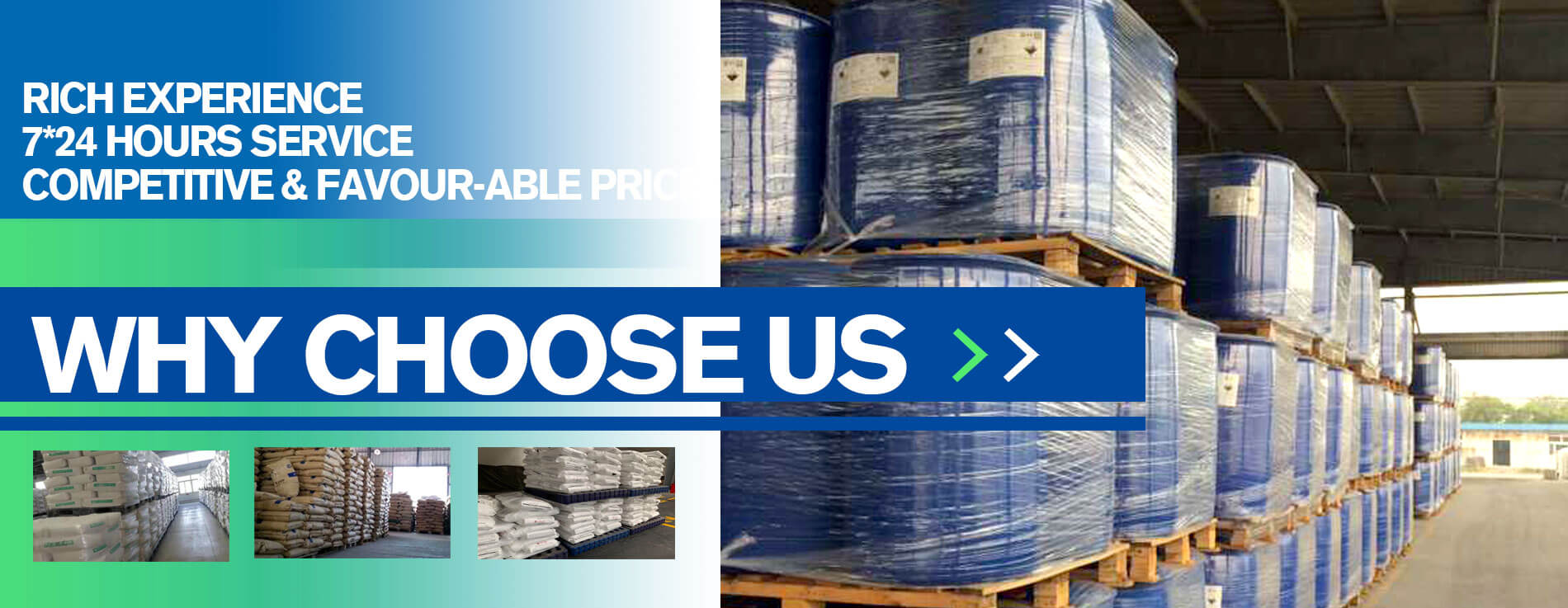
As a leading 2-Chloro-5-(Trifluoromethyl)Benzeneboronic Acid supplier, we deliver high-quality products across diverse grades to meet evolving needs, empowering global customers with safe, efficient, and compliant chemical solutions.
What are the main uses of 2-Chloro-5- (Trifluoromethyl) Benzeneboronic Acid?
2-Chloro-5- (trifluoromethyl) phenylboronic acid, which has a wide range of uses. In the field of organic synthesis, it can be called a crucial organoboron reagent.
Gein organoboron compounds have unique properties and play a key role in many chemical reactions, and this compound is no exception. First, in the Suzuki coupling reaction, as a reactant, it can be used with halogenated aromatics or halogenated olefins under the action of bases and palladium catalysts. This reaction has mild conditions and high selectivity, and is widely used in drug synthesis, materials science and many other fields. Through the Suzuki coupling reaction, compounds containing this structural unit can be introduced into complex organic molecules, resulting in the preparation of compounds with specific structures and functions, which are of great significance for the development of new drugs and the creation of high-performance materials.
Second, in the construction of complex aromatic systems, 2-chloro-5- (trifluoromethyl) phenylboronic acid also plays an important role. Because of the chlorine atom, trifluoromethyl and boric acid groups on the benzene ring, these substituents endow the molecule with unique electronic and spatial effects. Using these properties, chemists can modify and expand the benzene ring through a series of organic reactions to synthesize aromatic compounds with special electronic structures and spatial configurations, which can meet the needs of different fields for special structural organic compounds, such as in the field of organic optoelectronic materials, which can be used to prepare materials with specific optical and electrical properties.
Third, in the field of material surface modification, this compound is also useful. Boric acid groups can react with hydroxyl groups and other groups on the surface of certain materials, thereby introducing chlorine-containing and trifluoromethyl benzene ring structures to the surface of the material, changing the physical and chemical properties of the material surface, such as wettability, surface energy, etc., to improve the performance of the material in a specific environment. For example, in the preparation of some special coating materials, this surface modification method can be used to improve the stability and functionality of the coating.
What are the physical properties of 2-Chloro-5- (Trifluoromethyl) Benzeneboronic Acid
2-Chloro-5- (trifluoromethyl) phenylboronic acid, a reagent commonly used in organic synthesis. Its physical properties are as follows:
Looking at its properties, at room temperature, it is mostly white to light yellow solid powder, which is easy to store and use. Its melting point range is usually within a certain range, which is crucial for the identification and purity judgment of compounds.
When it comes to solubility, the substance has a certain solubility in common organic solvents such as dichloromethane, N, N-dimethylformamide. In dichloromethane, due to the intermolecular force between the two, it can be well dissolved, which is conducive to play a role in the reaction system with dichloromethane as the solvent. In N, N-dimethylformamide, with its strong polarity, the phenylboronic acid can also have a good solubility performance, which is of great significance in some reactions that require the participation of polar solvents. However, in water, its solubility is relatively limited, because the polarity of water is quite different from the structure of the compound, making it difficult for the two to fully miscible.
Its stability can be maintained relatively stable in a dry and cool place under conventional storage conditions. However, care should be taken to avoid contact with strong oxidizing agents, strong bases and other substances. When exposed to strong oxidizing agents, the boron atoms or the substituents on the benzene ring may undergo oxidation reactions, resulting in structural changes; when exposed to strong bases, the phenylboronic acid groups will react with them, destroying the original chemical structure and affecting their performance as reagents.
In addition, the physical parameters such as the density of the compound also affect its synthesis operation and related research. Knowing these physical properties is of important guiding value for the proper use of 2-chloro-5 - (trifluoromethyl) phenylboronic acid in organic synthesis, optimization of reaction conditions, and product separation and purification.
What are the synthesis methods of 2-Chloro-5- (Trifluoromethyl) Benzeneboronic Acid
There are several common methods for the synthesis of 2-chloro-5- (trifluoromethyl) phenylboronic acid as follows.
First, halogenated aromatics are used as starting materials. Take halogenated benzene containing the corresponding substituent, usually bromobenzene or iodobenzene, because its halogen atom activity is suitable. In an inert gas protective atmosphere, such as nitrogen or argon, halogenated benzene is reacted with metal reagents, such as n-butyl lithium, at low temperature to generate aryl lithium reagents. This step requires precise temperature control, usually around -78 ° C, to ensure the selectivity of the reaction. Then, the resulting aryl lithium reagent is reacted with borate esters, such as trimethyl borate or triisopropyl borate, etc., and then through the hydrolysis step, the target product 2-chloro-5- (trifluoromethyl) phenylboronic acid can be obtained. During hydrolysis, dilute acid solutions, such as dilute hydrochloric acid or dilute sulfuric acid, are generally used to control the mild reaction conditions and avoid overreaction of the product.
Second, the strategy of Suzuki coupling reaction is adopted. 2-chloro-5- (trifluoromethyl) halogenated benzene and boric acid pinacol ester are used as raw materials. In the reaction system, a palladium catalyst, such as tetra (triphenylphosphine) palladium, and an appropriate amount of alkali, such as potassium carbonate, sodium carbonate, etc., are added to heat the reaction in an organic solvent. Organic solvents can be selected from dioxane, toluene, etc. Such solvents have good solubility to the reactants and can stabilize the reaction system. The reaction temperature is usually between 80 and 120 ° C, and the temperature needs to be strictly monitored. Too high or too low temperature will affect the reaction yield and selectivity. After the reaction is completed, pure 2-chloro-5- (trifluoromethyl) phenylboronic acid can be obtained through separation and purification steps, such as column chromatography.
Third, synthesized by Grignard reagent method. Grignard's reagent is prepared by reacting 2-chloro-5- (trifluoromethyl) halogenated benzene with magnesium chips in anhydrous ether or tetrahydrofuran organic solvents. This process requires to ensure that the system is absolutely anhydrous and oxygen-free, because Grignard's reagent is extremely active and easily decomposes in contact with water or oxygen. After that, Grignard's reagent is reacted with borate ester, and the target product can be obtained through the same hydrolysis step. During hydrolysis, the operation needs to be careful and the hydrolysis conditions should be controlled to improve the purity and yield of the product.
The above synthesis methods have their own advantages and disadvantages. In practical applications, the most suitable synthesis path should be selected according to the comprehensive consideration of many factors such as the availability of raw materials, the difficulty of controlling reaction conditions, cost and yield.
2-Chloro-5- (Trifluoromethyl) Benzeneboronic Acid in Storage and Transportation
For 2-chloro-5- (trifluoromethyl) phenylboronic acid, many matters need to be paid attention to during storage and transportation.
This chemical substance is quite active in nature. When storing, the first environment is dry. Because it is easy to react with water and cause it to deteriorate, it should be placed in a dry place and tightly sealed to prevent moisture from invading. If it is in a humid environment, water interacts with boric acid groups, or causes structural changes, which will damage its chemical activity and purity.
Temperature is also critical. It should be stored in a cool place to avoid hot topics. Because high temperature can promote its decomposition or cause other chemical reactions, reducing its stability. The ideal storage temperature is between -20 ° C and 25 ° C. It may vary in different situations and needs to be determined according to specific requirements.
During transportation, the packaging must be sturdy. Choose suitable packaging materials that can withstand vibration, collision and temperature changes. To prevent chemical leakage caused by package damage and cause safety accidents. And during the handling process, the action should be gentle, not violent vibration and impact.
In addition, this chemical may be toxic and corrosive to a certain extent. Those who store and transport need to be professionally trained and familiar with safe operating procedures. When working, wear suitable protective equipment, such as protective clothing, gloves and goggles, to avoid contact and harm to the body.
At the same time, the storage and transportation places should be equipped with emergency treatment equipment and materials. If a leak occurs, it can be responded to in time to reduce the harm. Leaks should be collected and disposed of by corresponding methods according to their characteristics, and should not be discarded at will to avoid polluting the environment.
What is the market price of 2-Chloro-5- (Trifluoromethyl) Benzeneboronic Acid?
The market price of 2-chloro-5- (trifluoromethyl) phenylboronic acid is difficult to determine. This compound is in the field of chemical raw materials, and its price is determined by many factors.
The first to bear the brunt is the cost of raw materials. The price fluctuations of the starting materials required to prepare this acid are directly related to the price of the finished product. If the supply of raw materials is tight, or its own preparation process is complicated and costly, the price of 2-chloro-5- (trifluoromethyl) phenylboronic acid will also rise.
Furthermore, the difficulty and efficiency of the production process are also key. If the production process requires high-end equipment, harsh reaction conditions, or multi-step synthesis and poor yield, the production cost will rise, which will be reflected in the market price.
The market supply and demand situation also affects its price. If the demand for this acid increases sharply at some time, such as in specific fields such as pharmaceutical synthesis and material science, and the supply is difficult to respond, the price will rise; conversely, if the demand is weak and the manufacturer has excess capacity, the price will be under downward pressure.
In addition, factors such as the manufacturer's brand and product purity will also make the price vary. Well-known manufacturers and high-purity products are often more competitive in price.
Overall, the current market price of this compound may vary from time to time and from place to place, with prices per gram ranging from tens to hundreds of yuan. It is difficult to give an exact uniform value. The chemical market is unpredictable. To know the exact price, you need to research the market in real time and consult relevant suppliers in detail to obtain its details.